


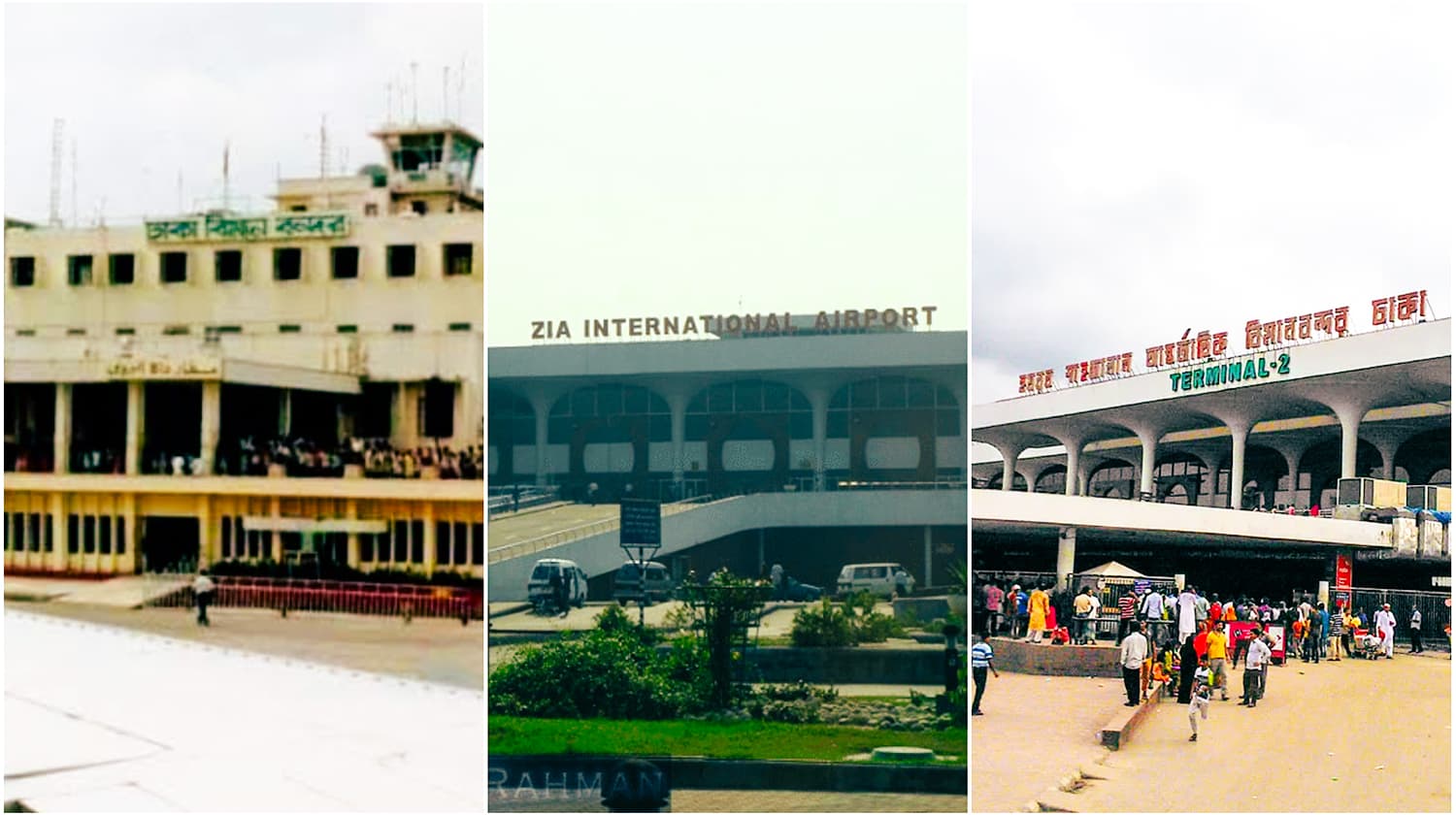
What’s in the name?
Whenever governments change in Bangladesh, the names of state institutions and public infrastructure change.
- Opinion
Trending
By Md Abbas
Opinion - -
Female students and job seekers shout slogans as they protest to ban quotas for government jobs at Shahbagh Square in Dhaka on July 3, 2024 | Photo: Mohammad Ponir Hossain / Reuters
The July Uprising of 2024 brought thousands of women onto the streets of Bangladesh. Female students, teachers, professionals and ordinary citizens joined protests, organised marches and helped sustain a movement that eventually toppled the government. Many took considerable risks, facing arrest, harassment and threats to their safety.
Yet, when it came to shaping the country's political future after the uprising, women's presence became far less visible. Their participation in the movement did not translate into a meaningful share of political power. Why are women who helped bring about political change finding it so difficult to secure a place in the country's new political landscape?
One of the earliest signs of this disparity emerged in the formation of the institutions tasked with state reconstruction and political reform.
In an interview with The Daily Star published on July 26, 2025, Umama Fatema, one of the key organisers of the July Uprising, pointed to this disparity. She said women had been at the forefront of the movement but remained largely absent from meaningful leadership positions afterwards.
Although they had played a significant role in bringing down the government, women who participated in the uprising were not adequately represented in the interim government's leadership, she said.
The gap was evident again in the 2026 national parliamentary election. Of the 1,981 candidates, only 81 were women, accounting for approximately 4.1 percent. Women won just seven of the 300 general parliamentary seats through direct elections.
These figures suggest that women's extensive participation in the uprising did little to improve their representation in electoral politics and decision-making. They stood shoulder to shoulder with men on the streets, but their presence in positions of power remained limited.
The recent resignation of Samanta Sharmin from the National Citizen Party (NCP) offers another example of this contradiction. According to media reports, she left the party over its alliance with Jamaat-e-Islami, the marginalisation of women leaders and a lack of internal democracy.
She alleged that women who had played leading roles during the July Uprising were not adequately represented in the party's leadership and decision-making structures. She had also previously been removed from the party's 16-member Political Council, which currently has only two women members.
Samanta's resignation cannot be viewed simply as the departure of an individual politician. She had seen the NCP as an opportunity to establish a different political culture. Yet, within the party, she found herself questioning women's place in leadership, the decision-making process, and the political ideals it sought to uphold. If her allegations are accurate, the very movement that promised political change risks reproducing the old structures of power.
What do the experiences of Tasnim Jara and Umama Fatema tell us?
Samanta Sharmin's experience is not an isolated case. Physician and political activist Tasnim Jara's departure from the NCP points to similar set of political contradiction. After returning from the United Kingdom, she joined the party hoping to contribute to a different kind of politics.
However, she left following the NCP’s decision to form an alliance with Jamaat-e-Islami. Her departure, along with that of several other women leaders, sparked debate over the party's political direction and decision-making. She later contested the election as an independent candidate.
Reducing Tasnim's decision to her opposition to a political alliance would overlook its broader implications. The NCP emerged from the July Uprising promising to offer an alternative to the country's established political culture. Yet, some of its political decisions conflicted with her ideological position. Her departure has renewed questions about how firmly new political parties are committed to women's rights, political freedom and an inclusive state.
Tasnim Jara has previously argued that Bangladesh cannot progress without women's active and safe participation. But encouraging women to enter politics means little if political parties fail to give them a meaningful role in decision-making.
The experience of Umama Fatema, one of the most recognisable faces of the July Uprising, is equally relevant. Her leadership during the movement drew considerable attention. However, when discussing women's political role after the uprising, she has also had to highlight their absence from decision-making positions and the online attacks targeting women leaders.
An analysis published in The Daily Star in August 2026 examined 139 social media posts targeting 15 women who had gained prominence during the July Uprising. It found that nearly two-thirds of the posts contained sexually suggestive abuse, derogatory language or attacks on the women's character. Such attacks were broadly similar across supporters of different political groups.
In other words, a woman's political ideology does not necessarily shield her from gender-based abuse. Rather than engaging with women’s political positions and arguments, attacks often focus on their personal lives, clothing, relationships or character. Behaviour that might be treated as political disagreement when directed at a male politician is frequently turned into a judgement of a woman's morality.
These attacks are more than just online misconduct. They create an atmosphere of intimidation that makes political participation increasingly difficult for women. The prospect of public humiliation, threats and personal attacks for speaking up publicly makes political participation even more difficult for them.
Samanta, Tasnim and Umama do not share the same political positions, and their experiences are different. Yet, they point to a common problem: women's contributions to political movements may be recognised, but their position remains weak when power is distributed.
Are women choosing to leave politics?
It is easy to attribute the decline in women's political participation to a lack of interest or confidence. But doing so shifts attention away from the responsibility of political parties. How open are their leadership structures to women? What role do women play in candidate selection? What financial and organisational support do they receive? Are there adequate safeguards against political violence? These questions deserve serious attention.
A United Nations study titled Women's Political Participation: Opportunities and Constraints, published in Bangladesh in August 2026, identifies informal barriers, financial limitations and gender-based social expectations as major obstacles to women's entry into politics.
It also finds that holding formal positions or securing representation within political parties does not necessarily give women actual decision-making power. Women face different forms of violence during election campaigns, within party structures and institutions, and in online spaces.
This is where the core problem lies. Allowing women to enter politics and ensuring that they have a say in political decisions are two different things. A party does not become women-friendly simply by having a few women in leadership positions. The test is whether they can influence decisions, their opinions are heard in policymaking and express disagreement without jeopardising their political future.
This is not a new contradiction.
Algeria's independence struggle offers a striking historical parallel. Between 1954 and 1962, women played important roles in the fight against French colonial rule. Some took part in armed resistance, others carried messages clandestinely, while many provided shelter and medical assistance to fighters. Yet, when Algeria gain independence in 1962, many of the women found themselves excluded from the administration of the new state and the distribution of political power.
Gillo Pontecorvo's 1966 film The Battle of Algiers portrays women's involvement in the independence struggle. Historian Natalia Vince, in her book Our Fighting Sisters: Nation, Memory and Gender in Algeria, 1954–2012, examines women’s contributions to the independence movement, their political position after independence, and the recognition of their role in the country's national history.
The parallel is worth considering. Women's contributions to political struggles are often indispensable, but that does not guarantee them an equal place in the political structures that emerge afterwards. Patriarchal party structures, entrenched social attitudes and the tendency to retain political control all contribute to this gap.
Before bringing women back into politics, politics itself must change
Increasing women's participation in politics cannot be left to women's organisations or female politicians alone. Political parties must rethink how they select leaders, nominate candidates, allocate resources and make decisions. They must take clear positions against online harassment and threats targeting women leaders. Ideological disagreements involving women politicians must also be addressed through political debate, not personal attacks.
Reserved seats for women and designated positions in party committees can be important measures. But such arrangements will have little meaning unless women can exercise independent judgement, influence decisions and remain accountable to their voters. If political representation is reduced to numbers alone, the underlying crisis of leadership will remain unresolved.
The July Uprising created expectations of fundamental political change in Bangladesh, including more equal participation for women. Assessing whether those expectations have been fulfilled requires looking beyond their presence on the streets during the movement. We must ask how much political power they have gained since then, whether their opinions carry weight and whether they can participate in politics without fear.
Women are not leaving politics simply because they lack interest or commitment. Their experiences point to a political structure that welcomes their courage and contributions during movements but often sidelines them when it comes to sharing power.
Before asking women to return to politics, political parties must create an environment in which they can lead, disagree and defend their positions without fear of humiliation or harassment. Otherwise, women’s name will remain part of the history of the revolution but largely absent from the history of the power that followed.
-Md Abbas is a freelance journalist and corporate communications professional.
Whenever governments change in Bangladesh, the names of state institutions and public infrastructure change.
- Opinion
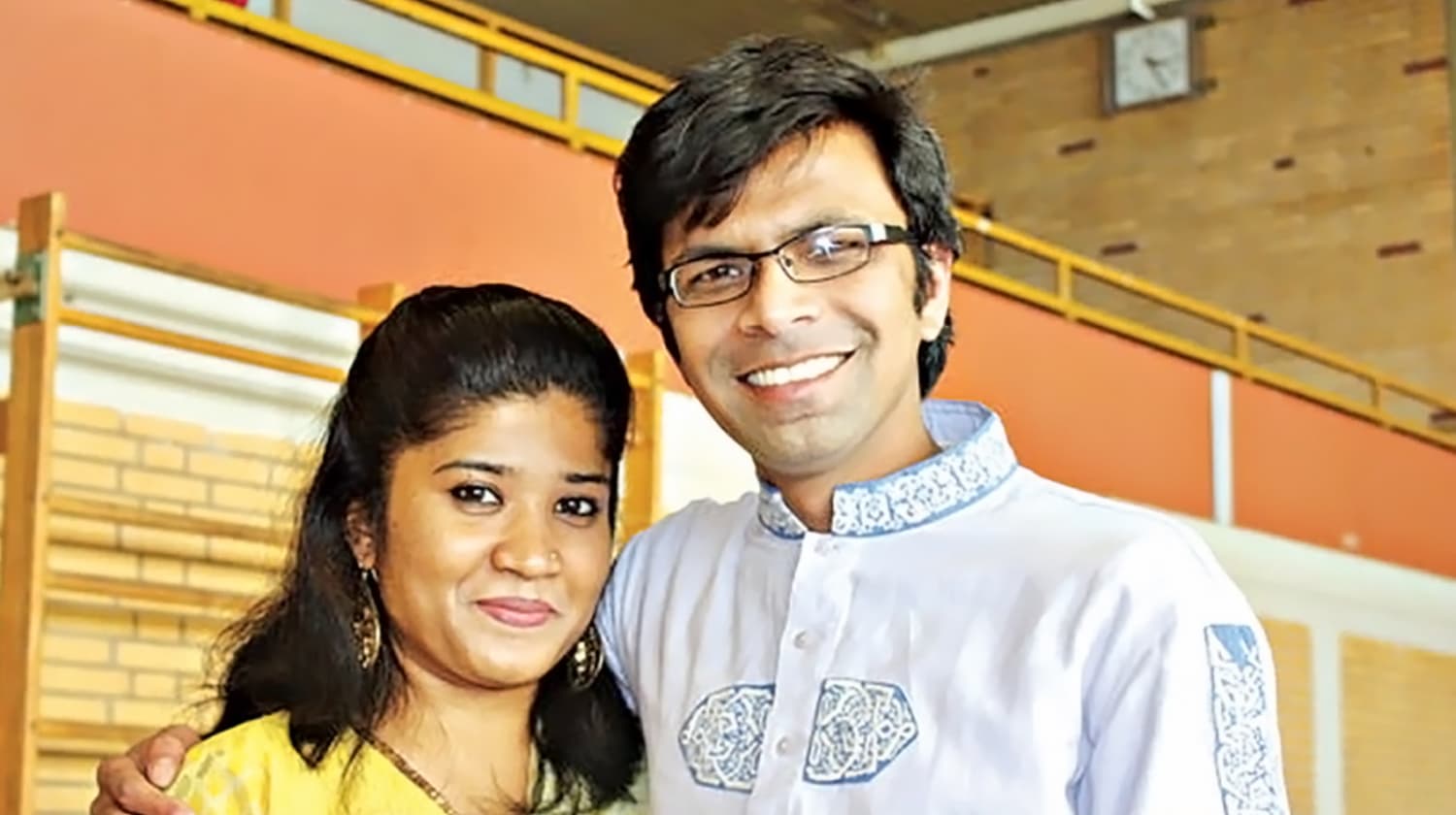
When journalists Sagar Sarowar and Meherun Runi were murdered in their Dhaka apartment on February 11, 2012, their five-year-old son Megh was at home. More than 14 years later, the investigation into their deaths remains unfinished. Megh is now 19, but the state has yet to establish who killed his parents and why.
- Opinion
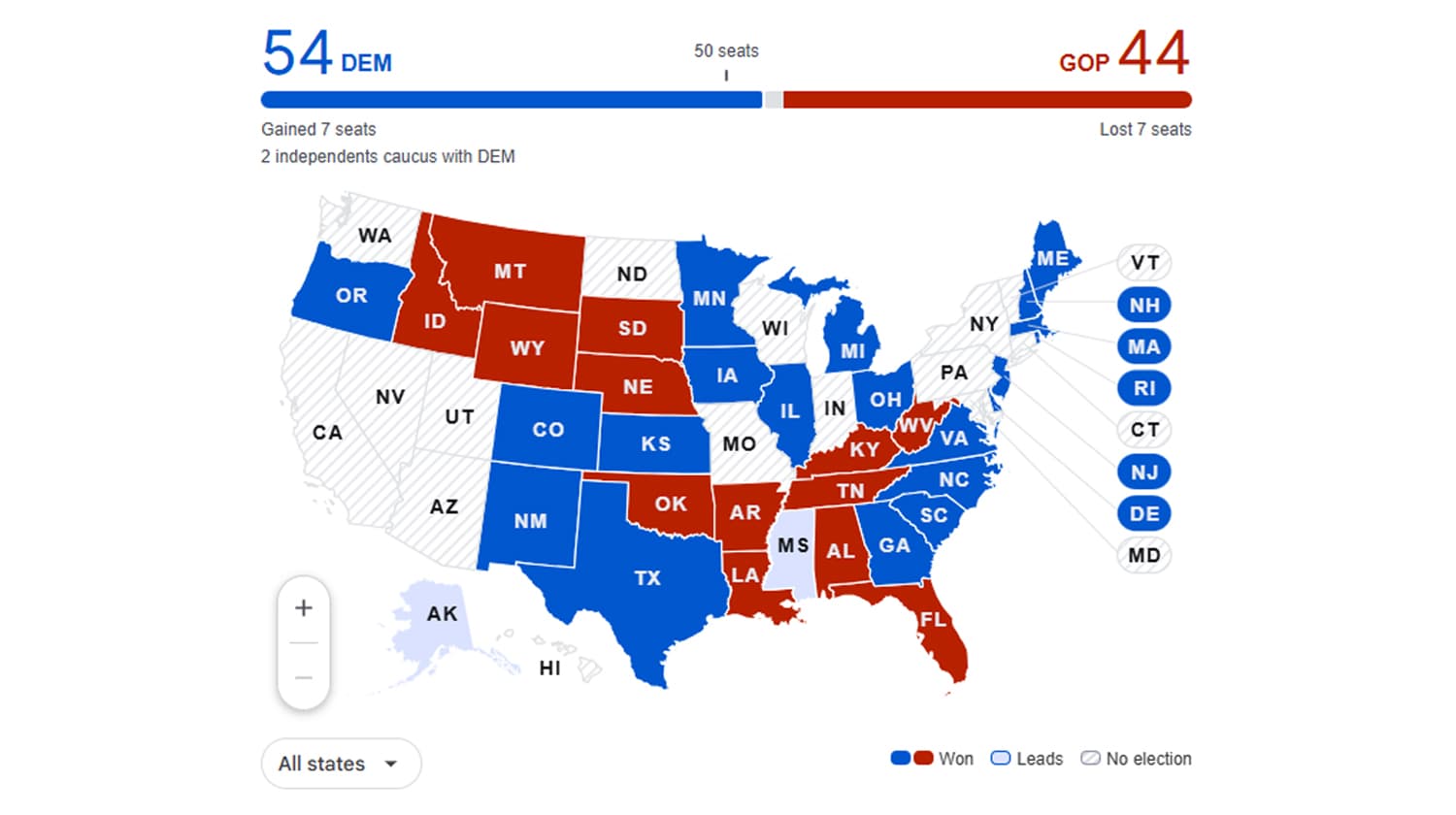
The people of the US have spoken. The loudness and assertiveness with which they have spoken are all out there: the long-beleaguered Democrats have regained the House of Representatives and the Senate, along with a good number of gubernatorial offices, in a splendid landslide.
- Opinion
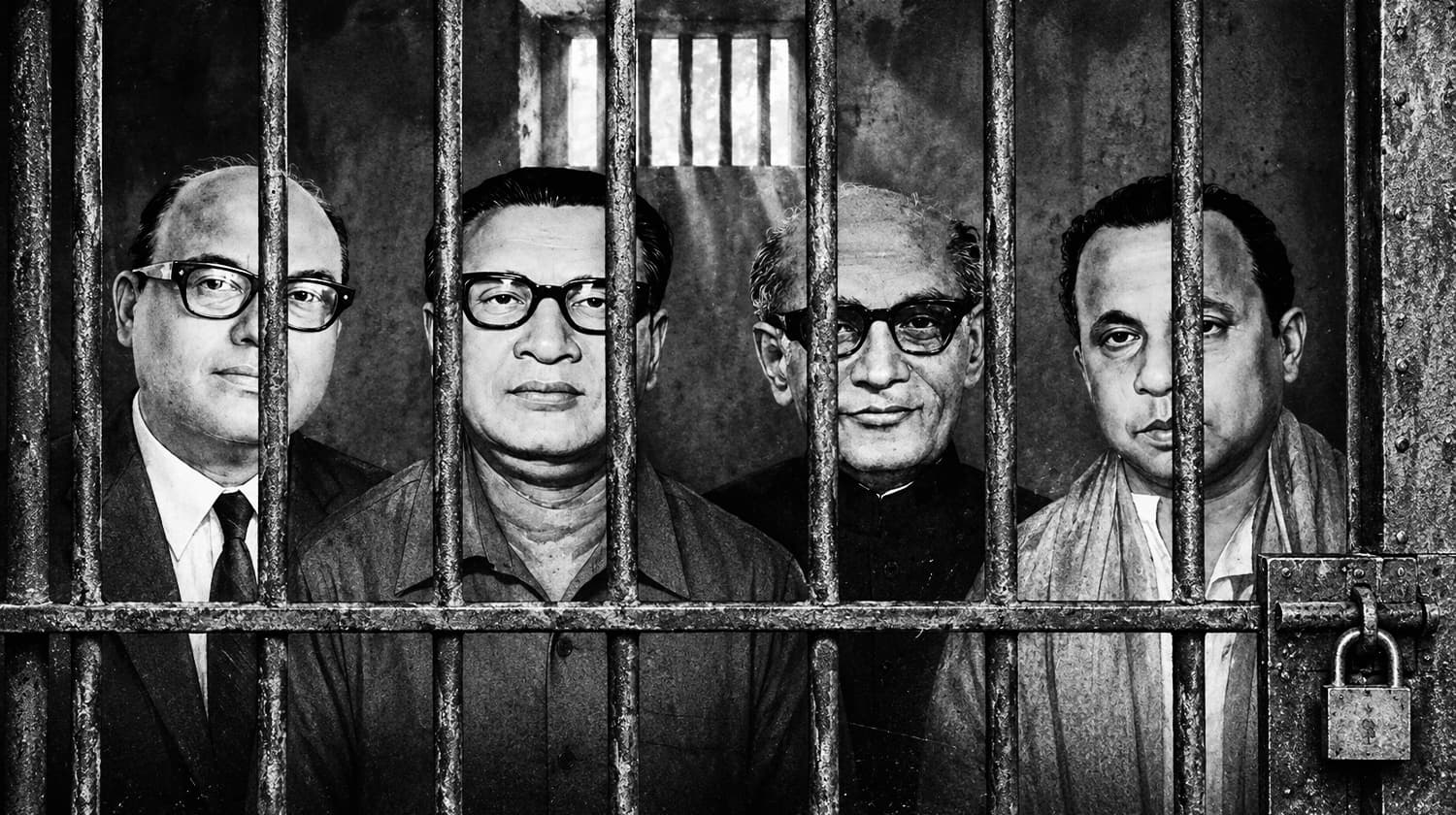
Today, fifty-one years after the assassination of Syed Nazrul Islam, Tajuddin Ahmad, M Mansoor Ali and AHM Kamruzzaman in prison, the nation recalls the sinister moments in the nocturnal hours when bloody treason reigned supreme, when the denizens of the dark seized the land.
- Opinion