

Nvidia hires major US law firm to investigate alleged Chinese spy affair
Nvidia has hired one of the largest law firms in the US to investigate the affair between its own chief executive and an alleged Chinese spy.
- Headlines Today
Trending
Business - -
Photo: Collected
Bangladesh is set to resume borrowing high-interest Japanese loans after failing to convince the financier to offer more concessional terms in what officials say is a shift in government approach to overseas borrowing.
Analysts say borrowing at steeply raised 3.5-percent interest is destined to bloat repayment obligations as huge sums of funds will be taken for Japanese-funded metro-rail projects, apart from two immediate loans for two development projects.
The government prepares to sign two loan agreements for the Upazila Governance and Development Project and the Investment Climate Improvement Project shortly under the revised lending terms, according to officials at the Economic Relations Division (ERD).
The move comes after prolonged negotiations during which Bangladesh sought to persuade Japan to retain more favourable lending conditions amid growing concerns over the country's external debt-servicing burden.
Japan International Cooperation Agency (JICA) has raised its lending interest to 3.50 per cent for the six-month lending cycle that began in October 2026, up from 3.05 per cent in the previous cycle, ERD officials said.
At the bilateral summit in Tokyo between Bangladesh Prime Minister Tarique Rahman and Japanese Prime Minister Takaichi Sanae last month, Japan officially committed to extending a 15.88-billion-yen loan (approximately US100.8 million) for the Investment Climate Improvement Project and a 30.68-billion-yen (194.7 million) loan for the Upazila Governance and Development Project.
The agreements for the two loans would be signed shortly.
The higher interest rate will increase the cost of Japanese development financing for Bangladesh, particularly as the country is preparing to take fresh loans for development projects while facing mounting repayment obligations against previously contracted foreign loans, officials said.
The decision is significant because Bangladesh has traditionally relied on Japanese official development assistance (ODA) as one of its major sources of relatively low-cost, long-term foreign financing.
Source: The Financial Express
Nvidia has hired one of the largest law firms in the US to investigate the affair between its own chief executive and an alleged Chinese spy.
- Headlines Today
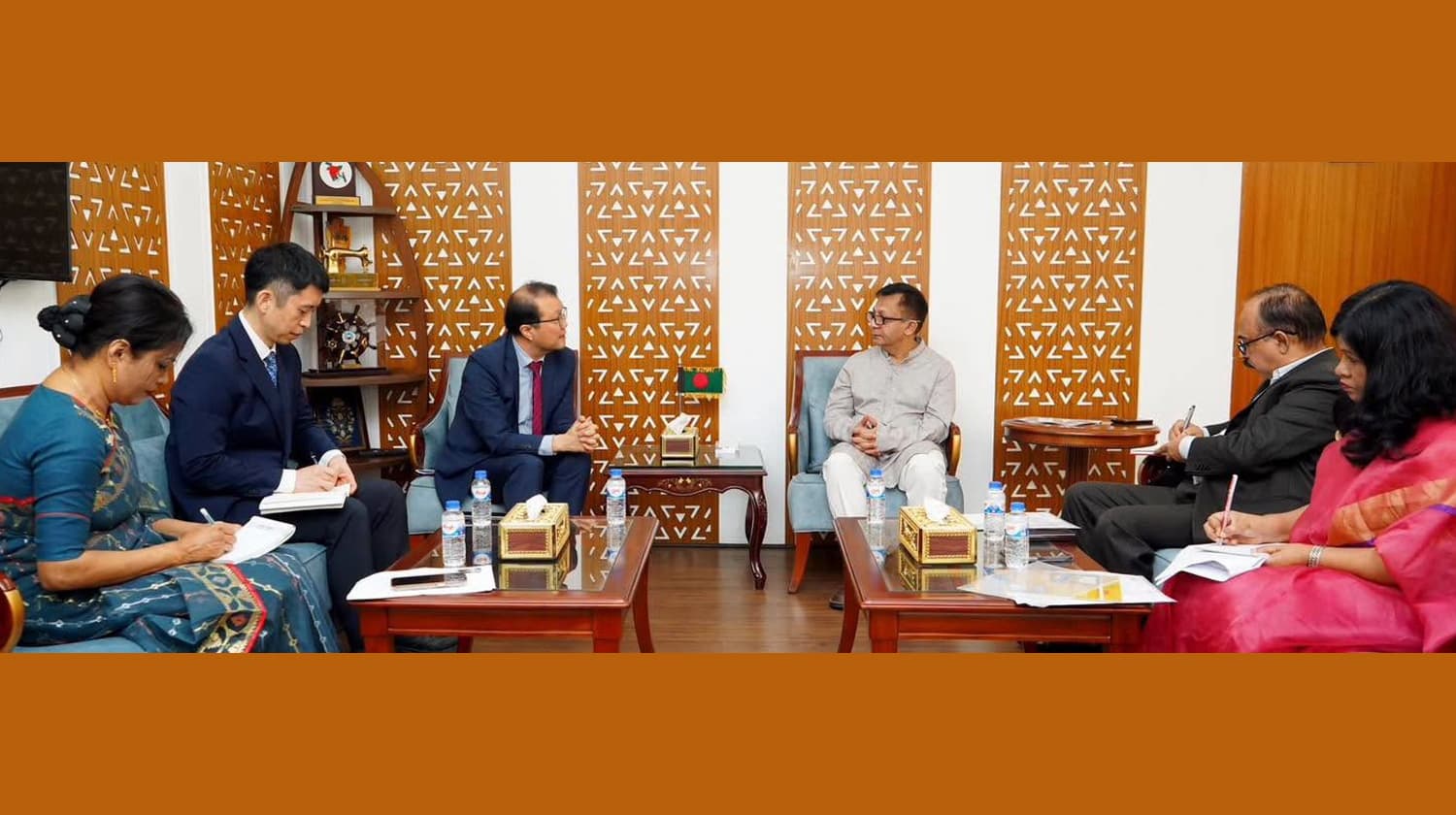
Bangladesh and South Korea have agreed to finalize the draft of the Comprehensive Economic Partnership Agreement (CEPA) by December this year, paving the way for its formal signing at a high-level meeting.
- Headlines Today
The Bangladesh Securities and Exchange Commission (BSEC) on Tuesday decided to bring bonds trading on the Alternative Trading Board (ATB) into the main board and introduce a "Single Window Review" system for initial public offering (IPO) applications.
- Headlines Today
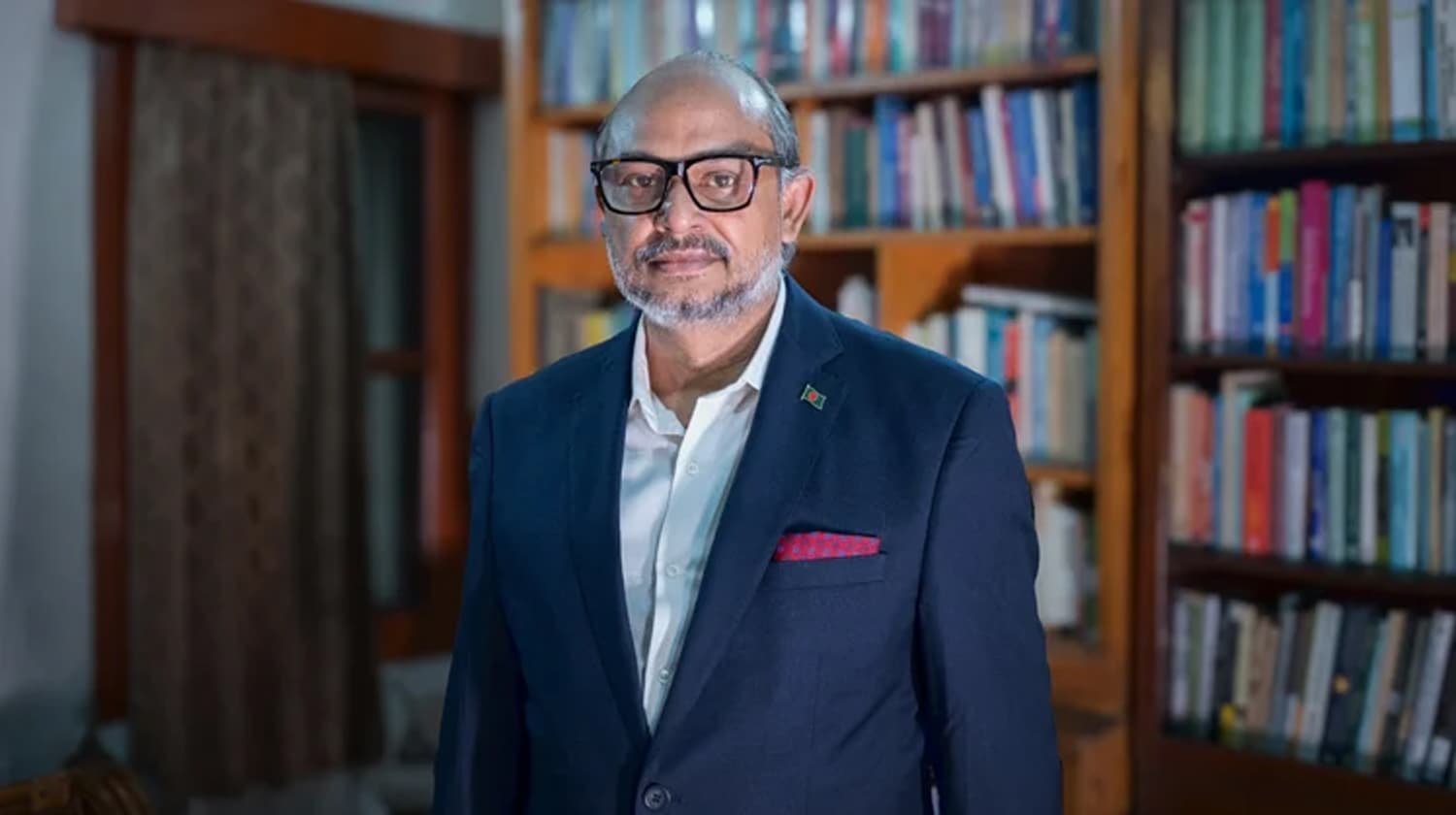
The government believes it can achieve 6.5 per cent economic growth in the current fiscal year (FY27), despite inheriting what it describes as a battered economy, said Rashed Al Mahmud Titumir, the prime minister’s adviser on finance and planning, yesterday.
- Headlines Today