We read history. We read of history. And then there are those moments when we live through history. And this interest in history comes connected with our collective desire to understand the world we are part of, to bring ourselves to a state where we are able to inform our children and our grandchildren of the times we have covered in the pages of history; of the moments when we witnessed history taking shape as we have grown from childhood to adulthood and, in the case of many, old age.
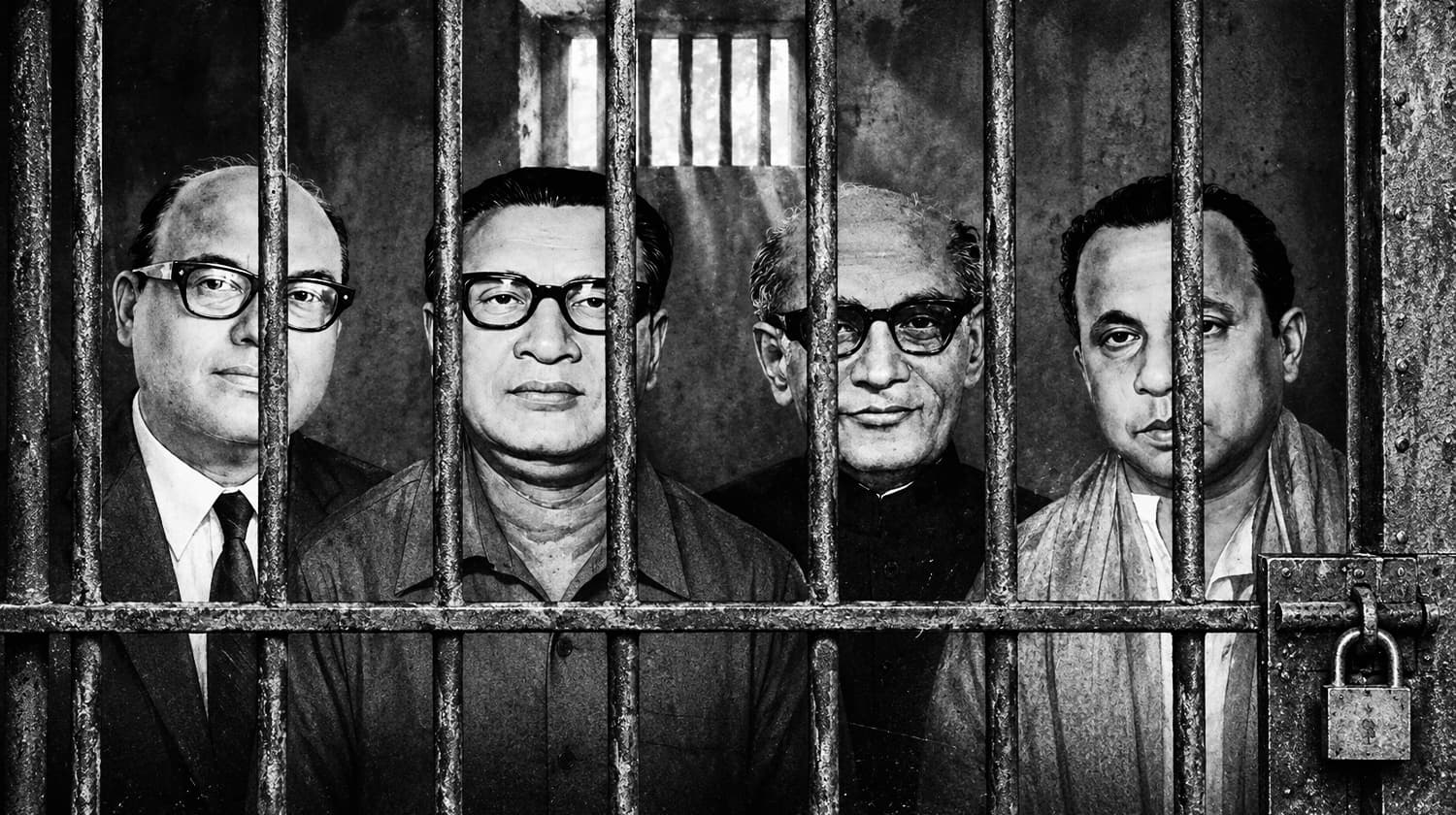
Where Bangladesh’s history is the point of discussion, we have the many and sometimes macabre tales of November 1975 before us. The murder of the four national leaders --- Syed Nazrul Islam, Tajuddin Ahmad, M. Mansoor Ali, AHM Kamruzzaman --- followed by the killings of freedom fighter military officers four days later will forever occupy some of the deepest recesses of our conscience. They are wounds that have never healed and will not heal.
And speaking of wounds, we feel ourselves pulled back by the winds of time, to November 1970. It was a time when we in our part of the world, the part that would soon emerge as the sovereign republic of Bangladesh, looked forward to the general elections scheduled for early December. The elections, originally scheduled for October, had been deferred owing to severe floods submerging what was at the time East Pakistan.
And thus did a new timetable for the vote come about. But take a walk back to November of that significant year. On 12 November, we felt the enormity of a tidal bore which hit our coastal regions. As many as a million of our citizens perished, to say nothing of the grave damage done to property, among which were the crops meant to sustain the inhabitants of the region.
It was a disaster that quickly drew the attention of politicians and overseas relief agencies. Relief aid began to flow into the province. Bangabandhu Sheikh Mujibur Rahman suspended his party’s election campaign and headed for the affected region to supervise relief operations. But where was Pakistan’s President Yahya Khan? The general, who had ascended to power in March 1969 in the aftermath of the resignation of Field Marshal Ayub Khan, was on a state visit to China. He did not deem it necessary to cut his visit short. Once the trip came to an end, he went to the coastal area, but by that time he had had enough opprobrium coming his way owing to the clear insensitivity demonstrated by him.
At this remove of fifty-six years, the old images of the consequences of the disaster arise anew in our imagination --- of corpses stuck on the branches of twisted trees, of dead babies floating in the water, of all the men, women and children gone missing. A million Bengalis, let us recall, were felled by the tidal bore. It breaks the heart to remember that the very next year three million more of our compatriots were done to death by an occupation army. The army was headed by Yahya Khan.
We who have stepped into the twilight of life sit in the fading light of day, our minds journeying back to another November. It was November 1968, weeks after President Ayub Khan had celebrated his decade in power in Pakistan and a time when a popular movement against his regime was beginning to gather steam. A young man took potshots at the President as he addressed a public rally in Peshawar. The bullets did not hit Ayub Khan. Curiously enough, no one has ever known what happened to the would-be assassin.
Was he taken into custody by the police? Was he lynched? We will never know, just as we will never know the details of the young man who shot Liaquat Ali Khan, Pakistan’s first Prime Minister, dead in Rawalpindi. The assassin was immediately pounced upon and beaten to death. And so the mystery of what organised group behind the tragedy, if at all there was a planned conspiracy to bump off the Prime Minister, was there was never to be known.
But in that November of 1968 the Ayub regime swiftly acted to assert its authority post-Peshawar. Zulfikar Ali Bhutto, the young minister who had faithfully served Ayub Khan for eight years before parting company with him and forming his Pakistan People’s Party, was for the first time in his career carted off to prison. Khan Abdul Wali Khan, chief of his faction of the National Awami Party and son of Khan Abdul Ghaffar Khan, the Pathan politician known as the Frontier Gandhi, was also placed under arrest.
It was a month for politics to become restive, with the regime already busy conducting the trial of a future Bangabandhu and thirty-four other Bengalis in the so-called Agartala Conspiracy Case in Dhaka. Students of Dhaka University were beginning to take the first steps in the making of what would soon become a Mass Upsurge that would force Ayub Khan from power. The dictator would bite the dust four months later. In a liberated Bangladesh, the fourth day of November 1972 would be cause for joy, for on that day the Constituent Assembly adopted a constitution for the country. The constitution would take effect on 16 December 1972, the first anniversary of the emergence of our people’s republic.
There are other Novembers where history carved its niche in the consciousness of people. Toward the end of November 1975, Col Abu Taher, having played a pivotal role in the cataclysmic events overtaking Bangladesh earlier in the month, was arrested by the new Ziaur Rahman regime. He would never emerge free but would be court-martialled and condemned to death. Taher would die on the gallows in July of the following year. In November 1976, the elderly political leader known as the Red Moulana, Abdul Hamid Khan Bhashani, succumbed to old age in Bangladesh.
For our generation, it was a happy time in school. We were yet to arrive at the tenth year of life. And yet November 1963 began and ended on a sombre note for us. On the first day of the month, South Vietnam’s autocratic President Ngo Dinh Diem and his influential brother Ngo Dinh Nhu were murdered in a coup which had the support of the American leadership in Washington. Twenty-one days later, President John Fitzgerald Kennedy was assassinated in Dallas. Lee Harvey Oswald, alleged to be the assassin, was within twenty-four hours shot by a man named Jack Ruby. No one has conclusively known who were behind the Kennedy assassination.
In November 1970, indeed on its ninth day, a remarkable soldier-statesman died at his home in a village outside Paris called Colombey-les-deux-Eglises. He was Charles de Gaulle, liberator of France from the Nazis, President of his country and the force behind the inauguration of the Fifth Republic, a political process which ensured stability through a constitutional balance of power outlining the roles of the various branches of government.
In November, everything palls, everything pales, everything falls. In November, the night comes early.
-Syed Badrul Ahsan is a senior journalist, columnist and writer.
Related Posts
Women in politics / Needed in protests, not in power
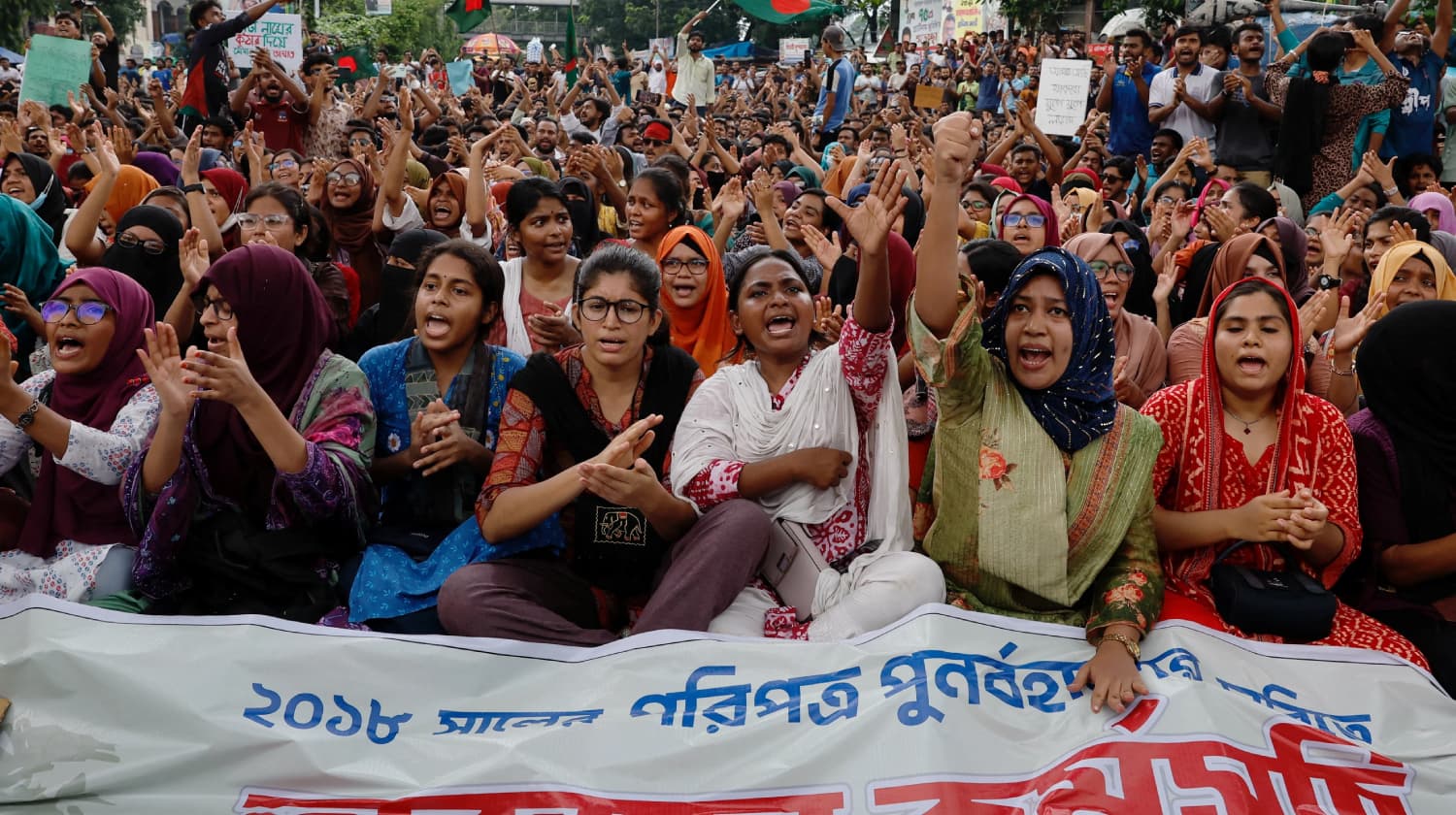
The July Uprising of 2024 brought thousands of women onto the streets of Bangladesh. Female students, teachers, professionals and ordinary citizens joined protests, organised marches and helped sustain a movement that eventually toppled the government. Many took considerable risks, facing arrest, harassment and threats to their safety.
- Opinion
What’s in the name?
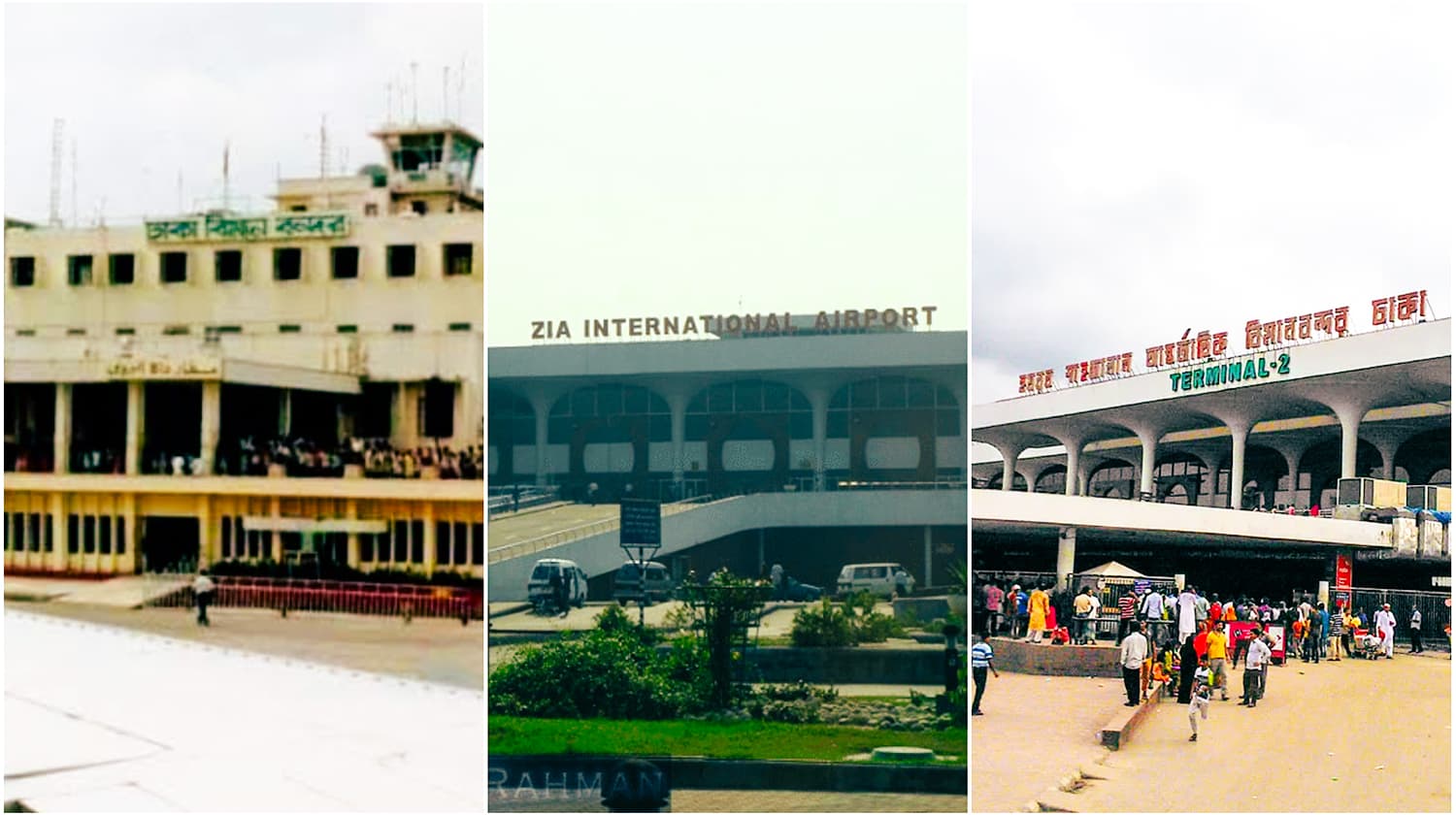
Whenever governments change in Bangladesh, the names of state institutions and public infrastructure change.
- Opinion
Journalist killing / The state cannot escape responsibility for impunity
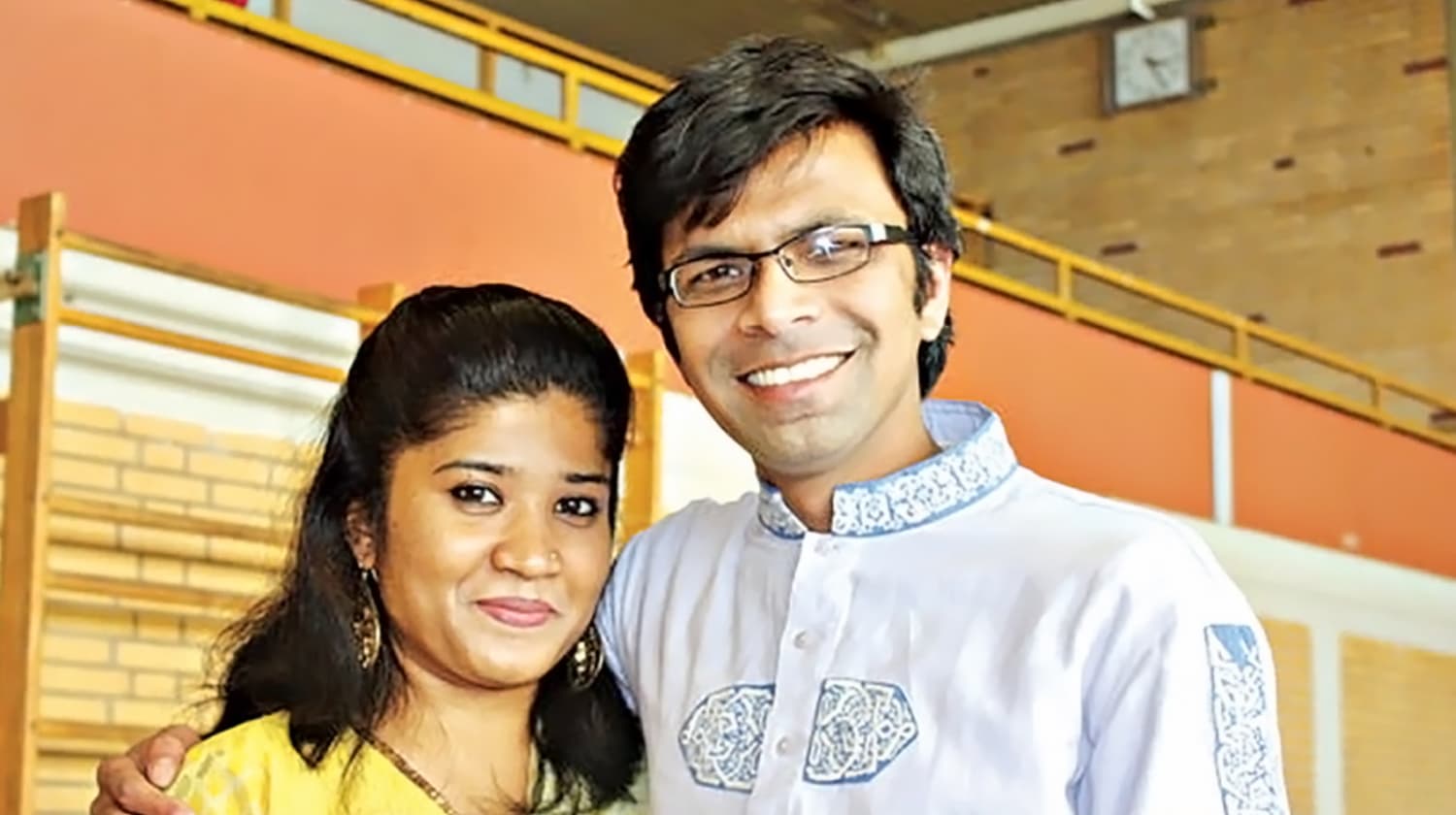
When journalists Sagar Sarowar and Meherun Runi were murdered in their Dhaka apartment on February 11, 2012, their five-year-old son Megh was at home. More than 14 years later, the investigation into their deaths remains unfinished. Megh is now 19, but the state has yet to establish who killed his parents and why.
- Opinion
America’s Democrats will now look to 2028
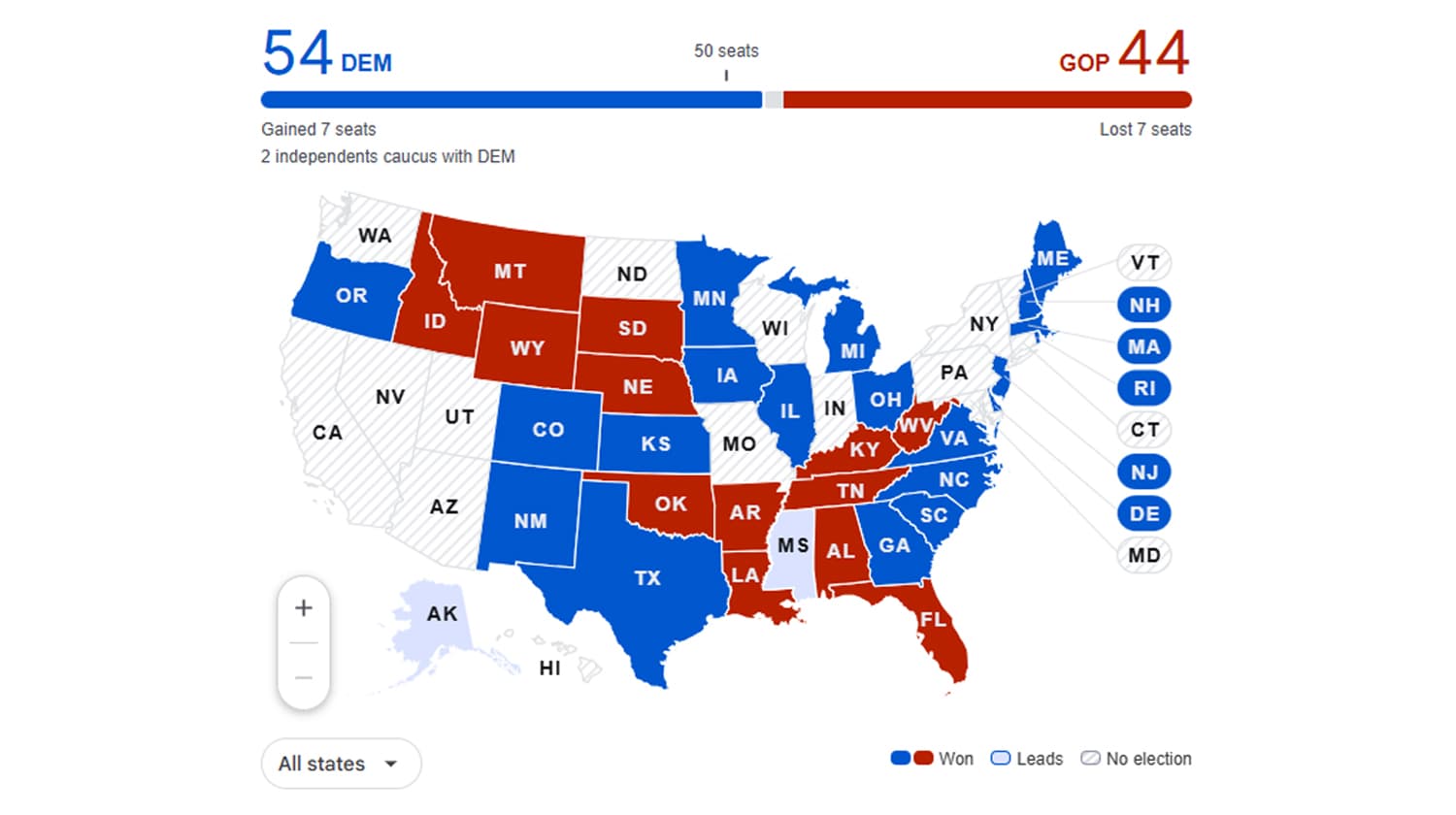
The people of the US have spoken. The loudness and assertiveness with which they have spoken are all out there: the long-beleaguered Democrats have regained the House of Representatives and the Senate, along with a good number of gubernatorial offices, in a splendid landslide.
- Opinion
More From This Author
- Opinion
America’s Democrats will now look to 2028
- Opinion
Jail Killing Day / They perished in the land they liberated