


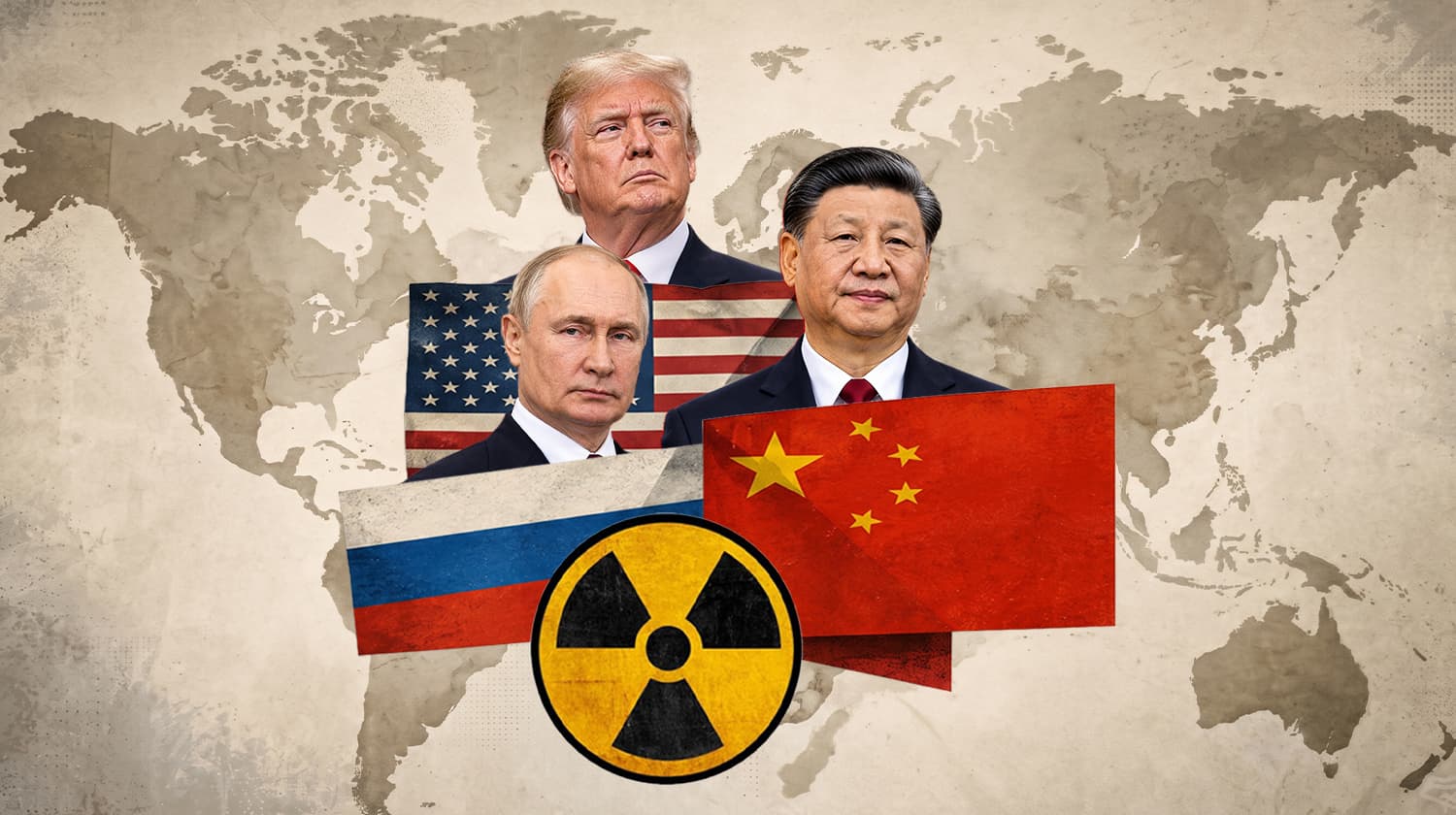
Three powers, one world
The Trump-Xi-Putin summit in Shenzhen is set. As the leaders of three nuclear powers meet face to face, could their competing interests reshape the global balance of power?
- Feature
Trending
Feature - -
Graphics: Beyond Headlines
Despite Bangladesh's exit from the semifinals of the SAFF Championship 2026 following a defeat to Pakistan, the country's football scene is still a topic of discussion among netizens.
A tifo depicting Hamza Chowdhury and Jamal Bhuiyan as 1971 freedom fighters, trampling on Pakistani military personnel, has sparked a conversation that extends beyond football fans. While many have loved and praised the display, others have expressed reservations about it.
The word tifo has its origins in Italy and is believed to be linked to typhus. In 1935, typhus was a familiar and feared disease in Italy. Following outbreaks in the aftermath of World War I, its symptoms were often associated with emotional outbursts.
Newspapers of the time drew parallels between the illness and the intense, sometimes feverish enthusiasm of football fans. Over the decades, the association became embedded in Italian football culture. The word tifosi, originally referring to people infected with typhus, simply translates as fans. Similarly, tifare, or tifo, means “to support” or cheering for a team.
Today, tifos are elaborate choreographies through which organised groups of fans express their collective identity using chants, flags and banners.
Tifos began spreading across Western European football in the 1960s. Over time, the planning and creation of these elaborate choreographies turned hardcore fandom into a round-the-clock commitment.
Passionate supporters often come together days, sometimes weeks, before a big game to spend hours designing, building and rehearsing displays involving banners, mosaics and pyrotechnics. All this effort goes into creating a spectacle that may last only a few moments, seen by fellow supporters and the 22 players on the pitch.
Coined as madness, this collective expression of devotion begins to make sense when thousands of fans come together in one priceless moment, hoping their display of unwavering support will give their team even the slightest advantage.
The phenomenon has since spread across the world. Now, social media has given fans another platform to showcase their creations, making tifos a familiar sight far beyond their European origins. From Africa and China to Singapore and Bangladesh, football supporters are increasingly embracing this colourful expression of fandom.
These matchday emotions of hardcore fans can actually be measured by science. In a 2008 study on fan passion, the Sports Industry Research Centre (SIRC) hooked supporters up to heart monitors. For many, their heart rates peaked not when goals were flying in, but when they sang club anthems, took their places in the stands and expressed their devotion through tifos.
The inspiration for a tifo can come from many sources: club anniversaries, legendary players, milestones involving supporters' groups, local derbies and fierce rivalries. But perhaps the biggest inspiration comes from matches on the European stage, particularly the UEFA Champions League, the biggest club competition in the world.
In the weeks and months leading up to these defining moments, every waking moment can be devoted to planning and preparing a tifo. It is not just the final display but also the bonds forged during the process that strengthen the sense of community football fandom creates. This is something we can see among Bangladeshi ultras as well.
There is also a tradition of burning tifos after a match to prevent them from falling into the hands of rival supporters. For a supporters' group, losing a tifo to rivals would be a source of immense shame, almost like having a part of its identity stolen. It could even threaten the group's existence. Weeks of work go into a display that lasts only minutes before disappearing faster than a Snapchat story.
Through the UEFA Champions League, the tifos displayed at stadiums such as the Westfalenstadion in Dortmund and the San Siro in Milan have become legendary. Players, managers and club officials come and go, but the fans remain.
The painstaking process of creating and displaying tifos may seem like complete madness to outsiders. But for true fans, it is an opportunity to express their passion and represent their club to the world. Whatever the result, they can walk away knowing they did everything they could to support their team. That is what true fandom is all about.
The Trump-Xi-Putin summit in Shenzhen is set. As the leaders of three nuclear powers meet face to face, could their competing interests reshape the global balance of power?
- Feature
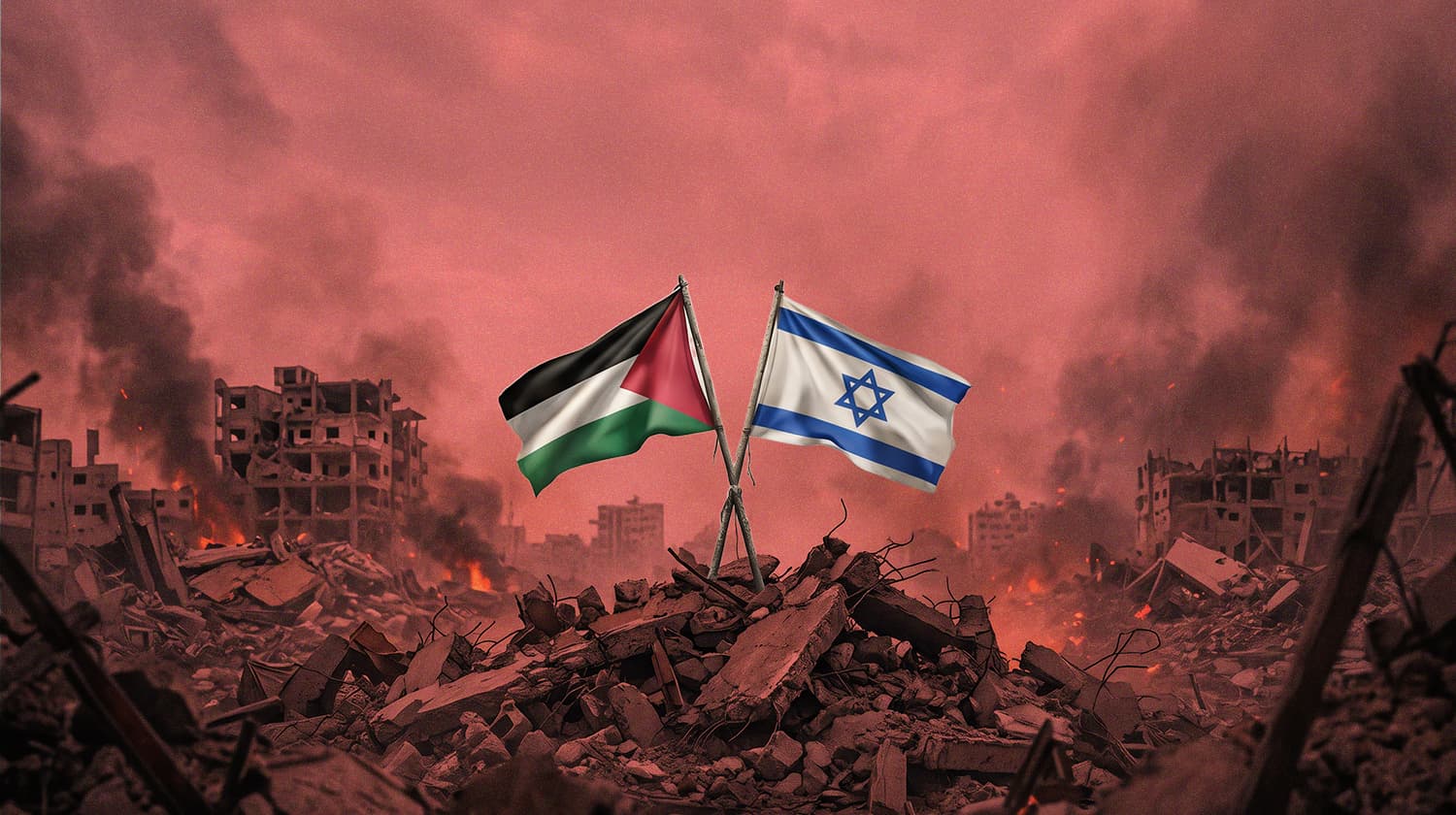
Israel’s Gaza campaign, Hamas’s survival, territorial control and political goals raise questions over whether military power can achieve its goals.
- Feature

Former Israeli military official Ayelet Kroizer reveals how statements were used to shape public opinion on Israel’s attacks on Gaza.
- Feature
The caretaker government system has followed a turbulent path: emerging from the anti-autocracy movement of the 1980s, entering the Constitution in 1996 amid mass protests, being scrapped in 2011 despite opposition from parliamentary parties, and returning after the 2024 mass uprising through a Supreme Court verdict. It now awaits formal reinstatement in the Constitution.
- Feature