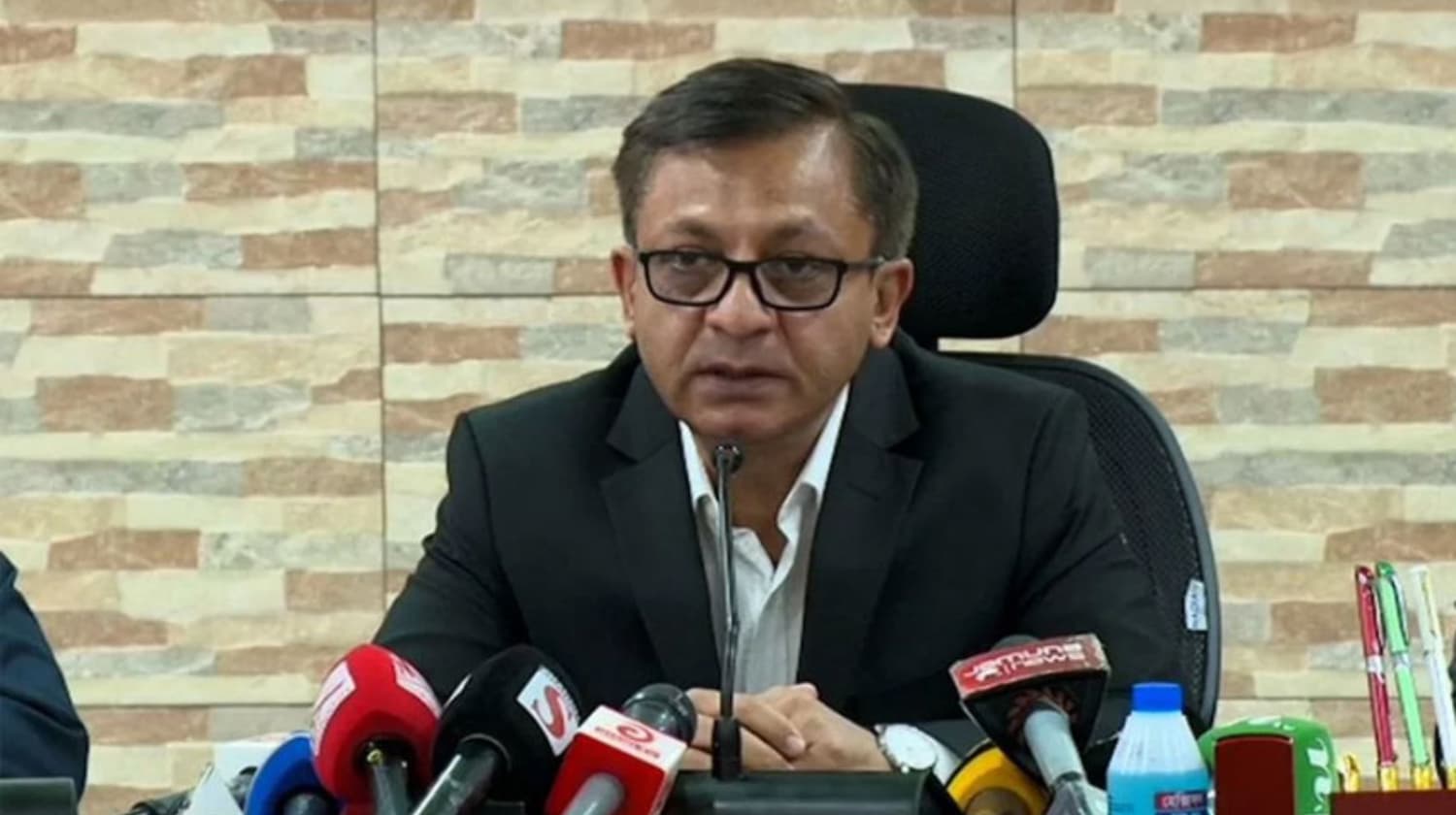
The depreciation of the local currency taka over the past decade is a major driver of inflation, Bangladesh Bank Governor Md Mostaqur Rahman said, as he urged commercial banks to cut the margins they add when selling dollars to importers.
Speaking at the 5th Bangladesh Economic Conference in Dhaka yesterday, he said the taka has lost about 60 percent of its value in 10 years, or roughly 6 percent a year.
Business daily Bonik Barta organised the conference amid the Middle East conflict, energy volatility and global supply chain disruptions to discuss strategies for the country’s macroeconomic stability, investment expansion, and energy security.
At the programme, the central bank governor said Bangladesh is import-dependent, and even local production relies on imported inputs, so depreciation fed through to prices.
Bangladesh Bank (BB) data show the average rate against the US dollar rose from Tk 78.26 in fiscal year 2015-16 to Tk 122.30 in fiscal year 2025-26, an increase of about 56 percent.
The governor said all key indicators, including reserves and private sector credit growth, were negative when he took charge early this year.
“Banking sector troubles, including money being siphoned off, added to the burden,” he said.
Mostaqur said the banking sector would need Tk 60,000 crore a year for the next five to eight years to recover from massive “financial looting and structural damage”.
According to the governor, the current generation is leaving the next a heavy legacy.
The governor said private sector credit growth has slowed to almost single digits, largely because of high interest rates and a shortage of readymade lending products.
“The second phase of the stimulus package is aimed at bringing rates down further,” he said, adding that a cut in the policy rate would help.
Mostaqur said the central bank has cut rates by half a percentage point and hopes to ease further. But high inflation limits room for rate cuts.
He said lending has also become concentrated in a few corporate borrowers over the past decade, with corporate loans making up 70-80 percent of the total.
He proposed lending-mix targets for next year to bring the corporate share down to around 45 percent, and urged banks to develop agriculture and SME products, noting that microfinance institutions have lent more than Tk 2.5 lakh crore at around 24 percent interest.
“So why can’t banks lend? They haven’t prepared the products,” he said.
At the programme, Mashrur Arefin, chairman of the Association of Bankers, Bangladesh (ABB) and managing director and CEO of City Bank PLC, said economic fundamentals remain substantial despite a difficult period of adjustment.
He said gross reserves stood at $30.12 billion under the IMF’s BPM6 method and the exchange rate has stabilised after a prolonged period of uncertainty, though rising imports could renew pressure on the exchange rate.
Mashrur said remittances grew 14.2 percent between July 1 and November 11, with about $13 billion received. But it is no substitute for exports, which have recovered after a brief dip to grow by around 6 percent.
The ABB chairman said GDP growth rose to 4.14 percent from 3.49 percent, still below the 6 percent recorded earlier, and inflation has fallen to a 54-month low, although petroleum imports at inflated rates remain a risk.
Private sector credit growth is weak, he said, but the slowdown is temporary, and banks should not be forced to lend.
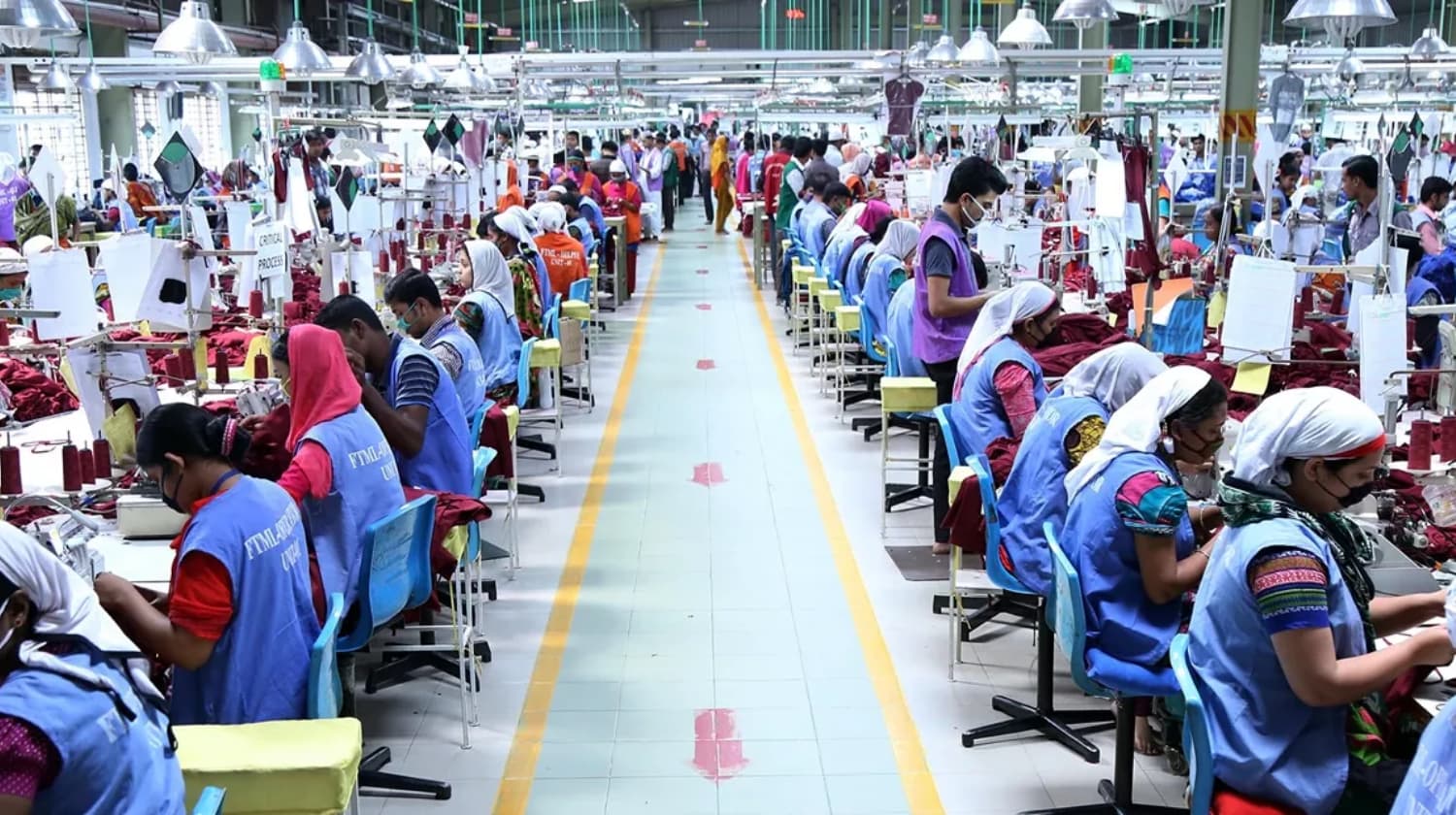
Mashrur welcomed the Tk 20,000 crore scheme for closed factories, part of a Tk 60,000 crore programme.
He said QR-code payments and similar initiatives could draw about Tk 1.87 trillion held in cash outside the banking system into the formal economy. He urged stakeholders to recognise how far the economy has progressed instead of dwelling on negativity.
Business leaders present at the programme called for steadier policy and cheaper energy.
Meghna Group Chairman Mostafa Kamal said “frequent policy changes” have made it hard for industries to plan. He urged clear industrial and trade policies.
He asked the governor to ensure any renewed monetary tightening does not hurt businesses.
Linking energy costs to inflation, Meghna Group chairman said LPG sold for about $95 in India but $126-$127 in Bangladesh, roughly 33 percent higher, which pushed up prices of many goods.
“Traders alone should not be blamed for high prices, as critics often do on talk shows,” he said.
Power, Energy and Mineral Resources Minister Iqbal Hassan Mahmood was the chief guest and keynote speaker of the conference’s second session on energy security.
The minister said electricity and gas supplies are now tolerable.
He said the Iran war began just 10-15 days after the new government took office, unsettling international energy supplies. Later, a fire on a floating LNG terminal halved gas pressure, disrupting output at power plants and factories.
“The government responded by buying LNG from the spot market at high prices,” he said. “The power plants have brought into operation even though generating electricity from LNG now costs about the same as from oil.”
The minister said the government is trying to keep gas supply in line with demand. Few areas suffered power cuts in the past 15-20 days, and those that did were caused by technical faults.
The event was moderated by Bonik Barta Editor and Publisher Dewan Hanif Mahmud.
Source: The Daily Star